まず、クラブの側の理由です。Journal of Applied Sport Management(2018年)に載った研究は、北米の4大プロリーグ(NBA・NFL・NHL・MLB)で2010年から2018年までにロゴや色、名前を変えた63チームを取り上げ、変えたときの公式の発表や報道を分析しました。さらに、実際にリブランディングを率いた4チームのマーケティングの幹部に聞き取りも行っています。それまでの研究が主にファンの反応を見てきたのに対し、「チームはなぜ変えると決めるのか」を正面から扱った研究です。
チームへの愛着と観戦の関係は、研究の蓄積がとても厚い分野です。たくさんの研究の結果をまとめて分析する「メタ分析」という方法があります。その一つ(Frontiers in Psychology、2022年)は、13の研究をまとめ、チームへの愛着が強い人ほど、「試合に行きたい」という気持ちも強いという、はっきりした傾向を報告しています。統計の目安でいえば「中くらい」の強さの結びつきです。愛着だけで観戦が決まるわけではありませんが、無視できない強さだと言えます。
より規模の大きいメタ分析(Journal of Global Sport Management、2025年)は、52の研究、延べ4万3千人あまりのデータをまとめ、同じように、愛着の強いファンほど実際によく観戦していることを確かめました。テレビや配信での視聴、グッズの購入にも同じくらいの結びつきがあり、「人に勧める(口コミ)」との結びつきは、それよりさらに強いものでした。チームへの愛着は、ファンの行動を説明するうえで、もっとも安定した手がかりの一つだと言えます。
この問いを正面から扱った初期の研究が、Journal of Sport Management(2013年)に載った研究です。NBAのユタ・ジャズとゴールデンステート・ウォリアーズのロゴの変更を題材に、ファンを愛着の強さで「高い・中くらい・低い」の3つに分け、元のロゴと新しいロゴへの態度と、ロゴ入りグッズを買う意向を比べました。
ロゴの変更と一口に言っても、その幅は広いものです。線を整える程度の小さな手直しもあれば、図案をまったく新しくする大きな作り直しもあります。この「変え方の大きさ」に注目した研究が、International Journal of Sports Marketing and Sponsorship(2022年)に載った実験です。277人の参加者に、実在する格闘技団体のロゴをもとに作った、変え方の違う架空のロゴを見せ、ブランドへの態度とグッズを買う意向を比べました。
その対話を、もっとも分かりやすい形で行ったクラブの一つが、イングランドのエバートンです。エバートンは2013-14シーズンに新しい紋章を導入しましたが、その後、クラブの歴史で初めて、サポーターの投票で紋章を選ぶという方法をとりました。選ばれた紋章は、クラブの標語「Nil Satis Nisi Optimum」や伝統の塔と盾を含むデザインで、2014-15シーズンから使われています。
Somewhere in the world, almost every year, a club announces a new logo or crest. When a long-loved design changes, fans react in many different ways. Even so, most fans accept the new look their club has chosen, put on the shirt with the new crest, and head to the stadium.
So why do clubs change their logos in the first place? Just as a brand refresh is essential for a company, reviewing the logo is a natural choice for a club when it moves into new markets, meets a new generation of fans, or enters a new stage as an organisation. This article is not concerned with whether any particular decision was right or wrong. What interests us is how sport marketing researchers have looked at the act of changing a logo.
There is one question that researchers have returned to again and again. Does a new logo have a positive effect on fans' sense that "this team is part of who I am" — in other words, their team identification? And does that carry through to the feeling of "I want to go to the stadium and watch the game"? Below, we walk step by step through what research has shown and what it has not yet shown.
1. Reasons for changing a logo: from research and from the clubs themselves
First, the reasons on the club's side. A study published in the Journal of Applied Sport Management (2018) looked at 63 teams in North America's four major leagues (NBA, NFL, NHL and MLB) that changed their logos, colours or names between 2010 and 2018, and analysed the public statements and press coverage around those changes. The researchers also interviewed marketing executives from four teams who had led a rebrand. While earlier research had mostly looked at how fans react, this study took on the club's side directly: why teams decide to change.
The analysis found five reasons. The most common was nostalgia — returning to a logo or colours from the team's past — cited by nearly six in ten of the teams whose statements could be found. Next came regional pride, connecting the brand to the city and region (about half). These were followed by modernisation for the digital era, fan feedback such as surveys or strong sales of throwback merchandise, and rebirth, marking a new era with a new owner, a relocation or a new stadium. It may be a little surprising that so many teams change their look not only to become new, but to return to their past and their region.
The executives who were interviewed said that fans' first reactions had been far more positive than they had feared. At the same time, one of them warned: "Don't do it just to sell more stuff. Make sure you are clear on who you are as a brand before making any changes." It suggests that the people making the change also see the brand as belonging to the fans.
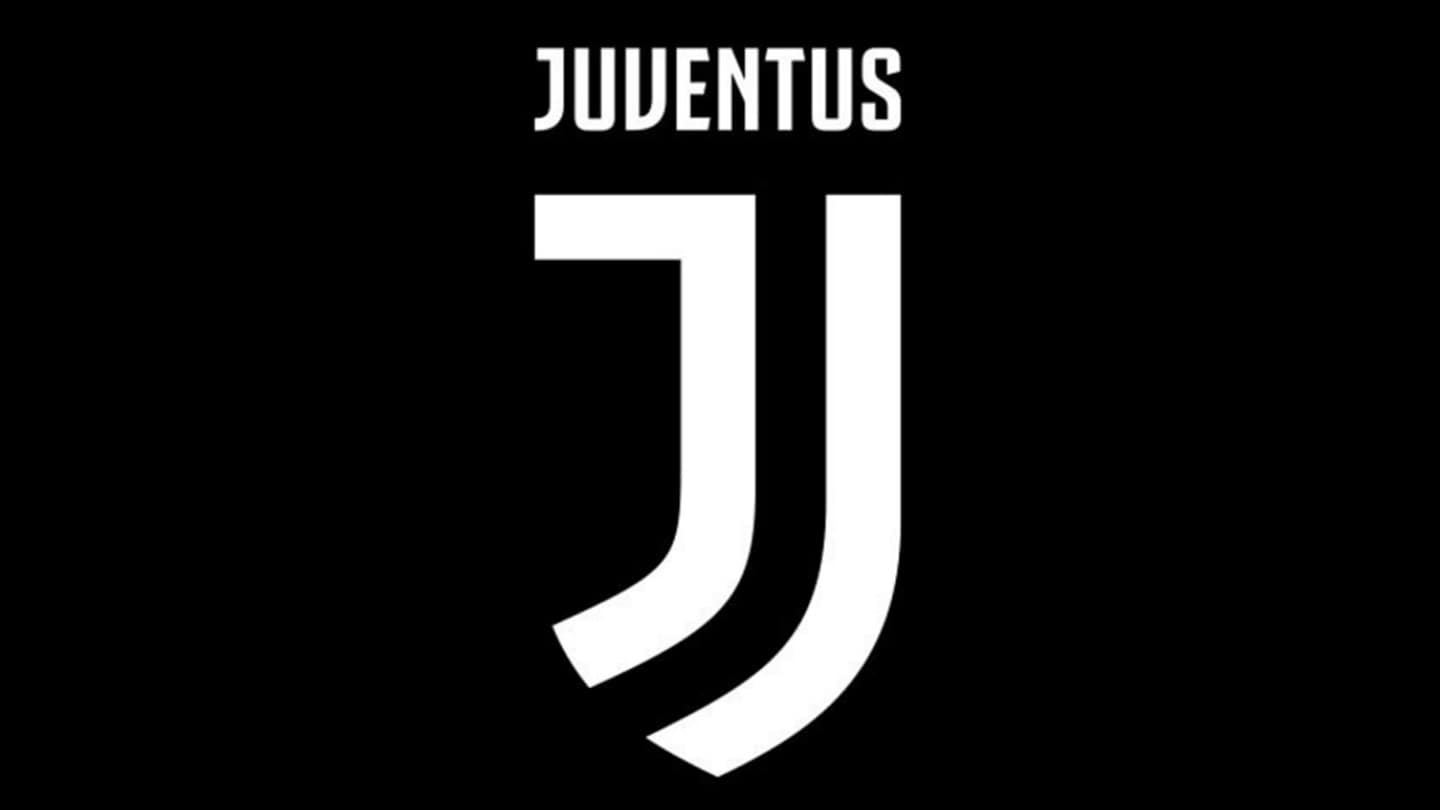
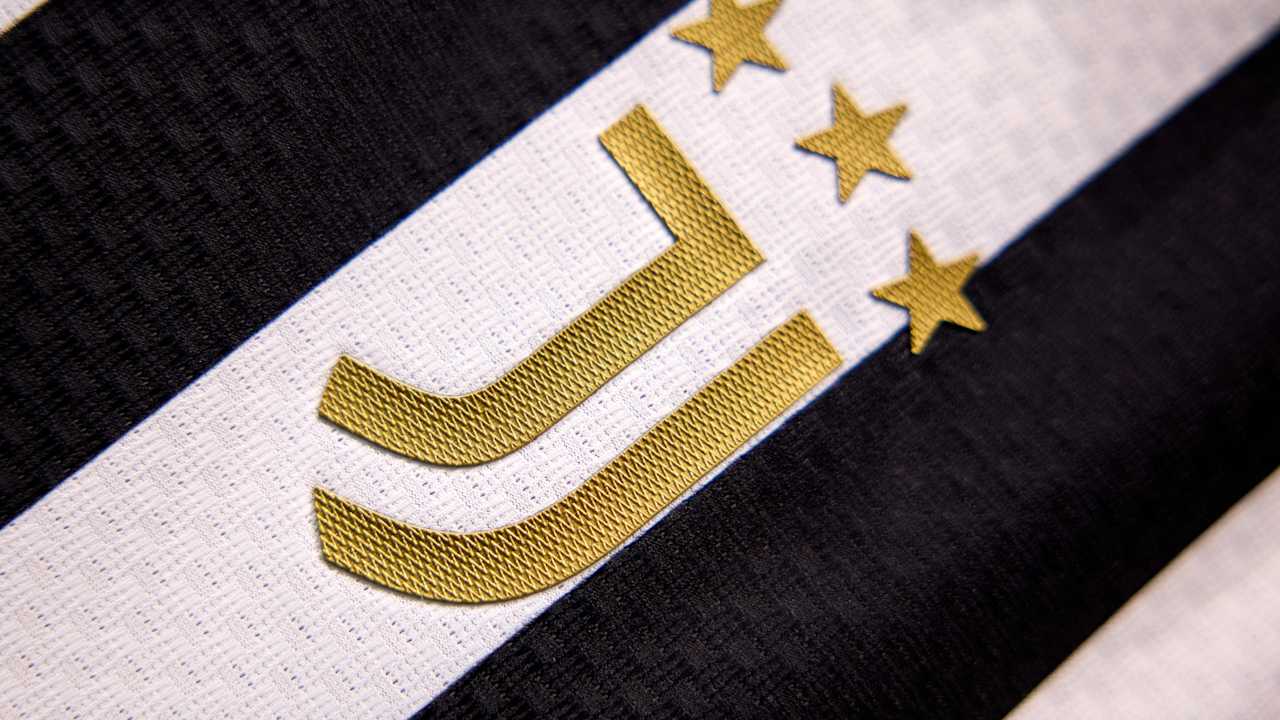
The clubs' own words show their reasons, too. In January 2017, Italy's Juventus unveiled a new logo that combined the club's vertical stripes, the scudetto that symbolises a league title, and the club's initial "J" into a single mark, and began using it that July. The club described bringing these three elements together into "a unique, universal symbol." It can be read as a form designed to represent the club in all kinds of settings around the world, beyond football itself.
Seen this way, a logo change is not a whim. It is a statement of intent by the club's management about what the club wants to become. What researchers have been interested in is how that statement reaches two groups: the fans who already love the club, and the fans the club has yet to meet. To get there, we first need to be clear about how "the fan's mind" is captured.
2. What is "team identification," and how is it measured?
In sport research, the psychological bond between fans and their team is called team identification. It refers to "how much a fan takes the team's successes and failures as their own." It is not simply whether you "like" the team; it might be easier to picture as the degree to which the team has become part of who you are.
This concept has been measured with questionnaire scales. A well-known example is the Sport Spectator Identification Scale (SSIS) developed by Wann and Branscombe (1993). It asks fans a handful of questions — along the lines of how important being a fan of the team is to them, and how disappointed they feel when the team loses — and has them answer on a graded scale. Many later studies have used this scale or improved versions of it.
What matters here is that team identification is neither an "attitude" nor a "behaviour"; it is a psychological state that sits between the two. Whether someone likes the new logo (attitude), and whether they buy merchandise or go to the stadium (behaviour), can each be measured separately. When we ask whether a logo change had a "positive effect," separating out which stage it affected is what brings us closer to a clear answer.
3. How closely is team identification linked to wanting to go to the stadium?
The link between team identification and attendance is one of the most heavily researched topics in the field. A "meta-analysis" is a method that pools the results of many studies. One such analysis (Frontiers in Psychology, 2022) combined 13 studies and found a clear pattern: the more strongly fans identify with their team, the stronger their wish to go to games. By common statistical rules of thumb, the link is of "moderate" strength. Identification alone does not decide whether someone attends, but it is too strong to ignore.
A larger meta-analysis (Journal of Global Sport Management, 2025) combined 52 studies with data from more than 43,000 people in total, and confirmed in the same way that more strongly identified fans actually attend more. Watching on TV or streaming and buying merchandise showed links of a similar size, and the link with recommending the team to others (word of mouth) was stronger still. Team identification is one of the most stable clues we have for explaining what fans do.
These results show that the two "tend to rise together," however, and they do not directly show a cause-and-effect relationship along the lines of "the stronger the identification, the more people attend." Large variation in results between studies has also been reported. Even so, it is almost certain that a strong line can be drawn between "team identification" and "wanting to go to the stadium." That is exactly why researchers have paid attention to how a logo change relates to this identification.
4. Who does a new logo reach, and how?
An early study that tackled this question head-on was published in the Journal of Sport Management (2013). Using the logo changes of the NBA's Utah Jazz and Golden State Warriors, it divided fans into three groups — high, moderate and low identification — and compared their attitudes toward the original and new logos and their intention to buy merchandise bearing the logo.
The result was that different groups of fans responded differently. Among fans who had been more distant from the team (low identification), attitudes toward the brand rose with the new logo. Among highly identified fans, by contrast, attitudes fell. A new logo tends to land positively with fans who are still building their relationship with the team, while fans who have followed the team for a long time tend to experience it as a departure from a familiar look.
This result becomes easier to understand when set against the reasons clubs change their logos. If the aim is to meet new markets or a new generation of fans, reaching that group positively is exactly the intended effect. How long-standing fans' responses change over time has not yet been studied in enough depth, but as sections 6 and 7 show, there is growing evidence that it can depend on how the change is made and communicated. What researchers showed is that "is there a positive effect?" does not have a single answer; it has to be looked at in terms of who the effect is for.
5. The size of the change, and the weight of colour
A "logo change" can mean many things. It may be a small refinement that tidies up the lines, or a major redesign with an entirely new emblem. An experiment published in the International Journal of Sports Marketing and Sponsorship (2022) focused on this "size of the change." It showed 277 participants fictional logos, based on a real combat sports organisation's logo but changed to different degrees, and compared their brand attitudes and intentions to buy merchandise.
It found that changing the colours and replacing the emblem entirely were received most cautiously, by both highly and less identified fans. On purchase intention, less identified fans were barely affected by the logo change, whereas for highly identified fans, their evaluation of the logo carried straight through to their intention to buy. This can be read as the more committed fans taking the change in the logo "personally."
What this suggests is that team colours carry special meaning for fans. Juventus's new logo, mentioned earlier, changed shape considerably, yet kept the club's symbolic black-and-white stripes at its centre. That said, this study was an experiment using fictional logos, and we should be careful about assuming it applies directly to real clubs with long histories.
6. How fans rate the logo, and whether they keep supporting the club
How fans feel about a logo's design is not the same as whether they keep supporting the club. A study in Sport Marketing Quarterly (2021) addressed exactly this. It examined how a logo change relates to brand loyalty (the wish to remain a fan), and showed that two things sit in between: "how fans evaluate the new logo" and "their attitude toward the rebranding itself."
Specifically, the relationship between the logo change and loyalty was partly explained by how fans evaluated the new logo. On top of that, how fans viewed "the club refreshing its brand" in itself played a large part in their responses. In other words, the same logo can be received differently by fans who understand "why it is changing" and by fans who do not.
This is also an encouraging message for clubs. In fans' minds, "do I like this design?" and "can I support this new step for my club?" move separately. Tastes in design vary from person to person, but when the reasons for the change and the club's intentions come across, fans try to stand behind the decision. The findings point to the value of treating a logo change not as a "design announcement" but as "a dialogue with fans."
7. Choosing to design it together with fans
One of the clearest examples of that dialogue comes from England's Everton. Everton introduced a new crest for the 2013–14 season, and afterwards, for the first time in the club's history, chose its crest through a supporters' vote. The chosen crest, which includes the club motto "Nil Satis Nisi Optimum" and the traditional tower and shield, has been in use since the 2014–15 season.
Researchers have noticed this case too. A study published in Soccer & Society (2023) asked whether football club crests can be treated in the same way as corporate logos, and, while discussing the history of crests and how fans have received them, took up Everton's design process that involved its fans. It is an example of how a crest is part of the "story" that a club and its fans share.
A process in which fans can take part may have the power to turn the "attitude toward the rebranding itself," seen in section 6, into a positive one. A crest that fans chose themselves becomes not "something they were given" but "something that is theirs." How much that strengthens team identification is a question worth testing, for researchers as well.
8. The day the animals left the crests: a message about nature
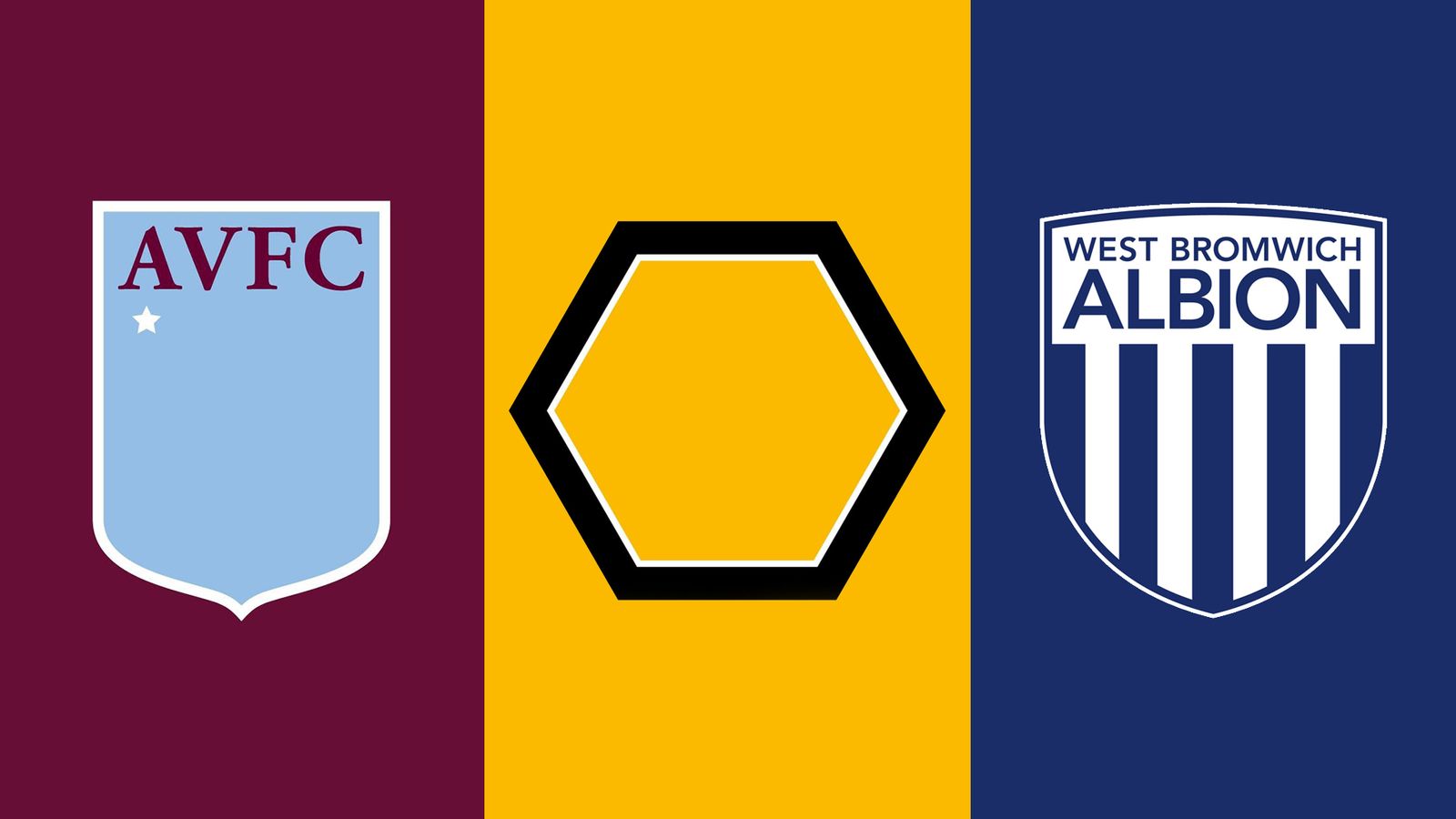
Logo and crest changes are not always about refreshing a brand. On 3 March 2021, UN World Wildlife Day, England's Aston Villa removed the lion from its crest, Wolverhampton Wanderers removed the wolf, and West Bromwich Albion removed the throstle (a song thrush). Italy's AS Roma also took out the she-wolf, the symbol of Rome. It was part of "#WorldWithoutNature," run together with the World Wide Fund for Nature (WWF), and the WWF itself removed the panda from its logo for the first time in its 60-year history.
The aim was to convey, through the "empty space" in familiar crests, that wildlife keeps disappearing. The WWF explained that human activity has caused wildlife populations to fall by an average of about two-thirds in less than 50 years. When the lion or the wolf that is always there is suddenly missing, fans notice that "something is gone." It is a way of communicating that only works because the crest is close to fans' hearts and matters to them.
This was a temporary campaign, not a real change of logo. Even so, from a researcher's point of view, it is interesting. As we saw in sections 4 to 6, highly identified fans take changes to the crest "personally." This campaign can be read as an example of using that reaction not to refresh a design, but to deliver a message to society. Within the range of my own search, how such campaigns affected fans' identification with the club, or their environmentally friendly behaviour, has not yet been studied. Together with the relationship between environmental initiatives and how spectators feel, it is a question worth measuring.
9. What we know, and what we don't yet
Let us sum up what the research so far allows us to say. First, clubs do not change their logos on a whim; there are common reasons — nostalgia, regional pride, modernisation, fan feedback and rebirth (section 1). Crests are also used as a place to send a message to society (section 8). Second, team identification has a clear relationship with the wish to go to the stadium and with actual attendance (section 3). Third, how a new logo is received varies with the group of fans, the size of the change, and how well "why it is changing" comes across (sections 4–7).
At the same time, what we do not yet know is also clear. The biggest gap is that whether a logo change alters "team identification itself" has not been measured directly. Most studies so far have used identification as "a marker for dividing fans into groups," and what they actually measured as outcomes were brand attitudes, merchandise purchase intentions, and loyalty. Within the range of my own search, I could not find a study that tested the whole chain — logo change → change in identification → intention to go to the stadium — in a single model.
There are methodological limits as well. Many studies use fictional logos or a one-off survey, and few have followed how the same fans' minds changed before and after a real club changed its logo. Most also focus on North American professional sport or combat sports, so we do not know whether the same results hold for football clubs with strong local roots, or for clubs in Japan.
10. My view: does a logo change have a positive effect?
From here on, this is my own view. Having traced the research, my answer is: "It can have a positive effect. But what that effect looks like depends on who it reaches and how the logo is changed — and we will not know until we measure it." Research has already shown that a new logo can land positively with new groups of fans. How the identification of long-standing fans moves is, according to the research, something that can change with how the reasons are communicated and whether fans can take part in the process.
To confirm that "positive effect," I believe what is needed is to ask the same fans the same questions before and after the logo changes: their team identification, how they rate the new logo, how they view the rebranding itself, and their intention to go to the stadium. If these are measured on the same scales before and after the change, we can test, in a single model, "in which groups identification grew stronger" and "how much that change showed up in the intention to attend."
There is one statistical point to be careful about here. To compare scale scores between highly and less identified fans, or before and after the change, we first need to confirm that the scale measures the same thing in both groups. This check is known technically as "measurement invariance." Skip it, and we cannot tell whether a difference in scores reflects "a difference in how people feel" or "a difference in how they read the questions."
And one more thing: the effect of a process in which fans can take part, like the one seen in section 7, is also worth measuring — as is how a message delivered through the crest, like the one in section 8, actually reaches fans. Shaping the club's new step together with its fans — if that experience nurtures identification and becomes a reason to come to the stadium, then a logo change can also be an opportunity to deepen the relationship between a club and its fans.
Closing: crests change, support stays
Crests change with the times. It is a natural step for a club as it meets new fans and moves into new places. And many fans, even when the design changes, keep wearing shirts in the same colours and keep going to the same stadium.
What researchers have shown is that there is more than one path by which that change reaches fans' hearts. It reaches new fans positively, and it reaches long-standing fans through time and dialogue. How those paths ultimately show up in the stands is something no one has yet properly tested.
When a crest changes, how do fans' identification and their wish to go to the stadium move? Shouldn't clubs, from now on, take the time to measure that carefully, before and after the change?
Sources
Ahn, T., Suh, Y. I., Lee, J. K., & Pedersen, P. M. (2013). Sport fans and their teams' redesigned logos: An examination of the moderating effect of team identification on attitude and purchase intention of team-logoed merchandise. Journal of Sport Management, 27(1), 11–23. https://doi.org/10.1123/jsm.27.1.11
Kwon, H., Pyun, D. Y., & Lim, S. H. (2022). Relationship between team identification and consumption behaviors: Using a meta-analysis. Frontiers in Psychology, 13, Article 869275. https://doi.org/10.3389/fpsyg.2022.869275
Lee, S., Lee, Y., & Kang, M. (2025). Association between team identification and sport consumption behaviors: A meta-analysis. Journal of Global Sport Management, 10(2), 252–276. https://doi.org/10.1080/24704067.2023.2246137
Walsh, P., Clavio, G., Ross, S. D., & Blaszka, M. (2018). Why teams rebrand: Uncovering the motives and process of team rebranding initiatives. Journal of Applied Sport Management, 10(4), 12–21. https://doi.org/10.18666/JASM-2017-V10-I4-9081
Wann, D. L., & Branscombe, N. R. (1993). Sports fans: Measuring degree of identification with their team. International Journal of Sport Psychology, 24(1), 1–17.
Williams, A. S., & Son, S. (2022). Sport rebranding: The effect of different degrees of sport logo redesign on brand attitude and purchase intention. International Journal of Sports Marketing and Sponsorship, 23(1), 155–172. https://doi.org/10.1108/IJSMS-01-2021-0016
Williams, A. S., Son, S., Walsh, P., & Park, J. (2021). The influence of logo change on brand loyalty and the role of attitude toward rebranding and logo evaluation. Sport Marketing Quarterly, 30(1), 69–81. https://doi.org/10.32731/SMQ.301.032021.06



 Juventus unveils its new club logoSI
 Logo Juventus FC - Download the official logo | JuventusJuventus.com
 Everton's new club crest released after fan voteNBC Sports
 Aston Villa, Wolves, West Brom remove animals from club badges to raise awareness for World Wildlife DaySky Sports